

If you want to become a better cook, learning how to make a good homemade chicken stock is a great place to start. A rich and flavourful stock is a building block for many recipes, and can mean the difference between a good meal and a truly memorable meal. Do you have the bones and trimmings left from a roast chicken? One with the lovely little bits of chicken still clinging to it? Instead of throwing it away, give it new purpose by simmering it with a few pantry staple vegetables and herbs to make a fragrant stock that can be used now or frozen for later.
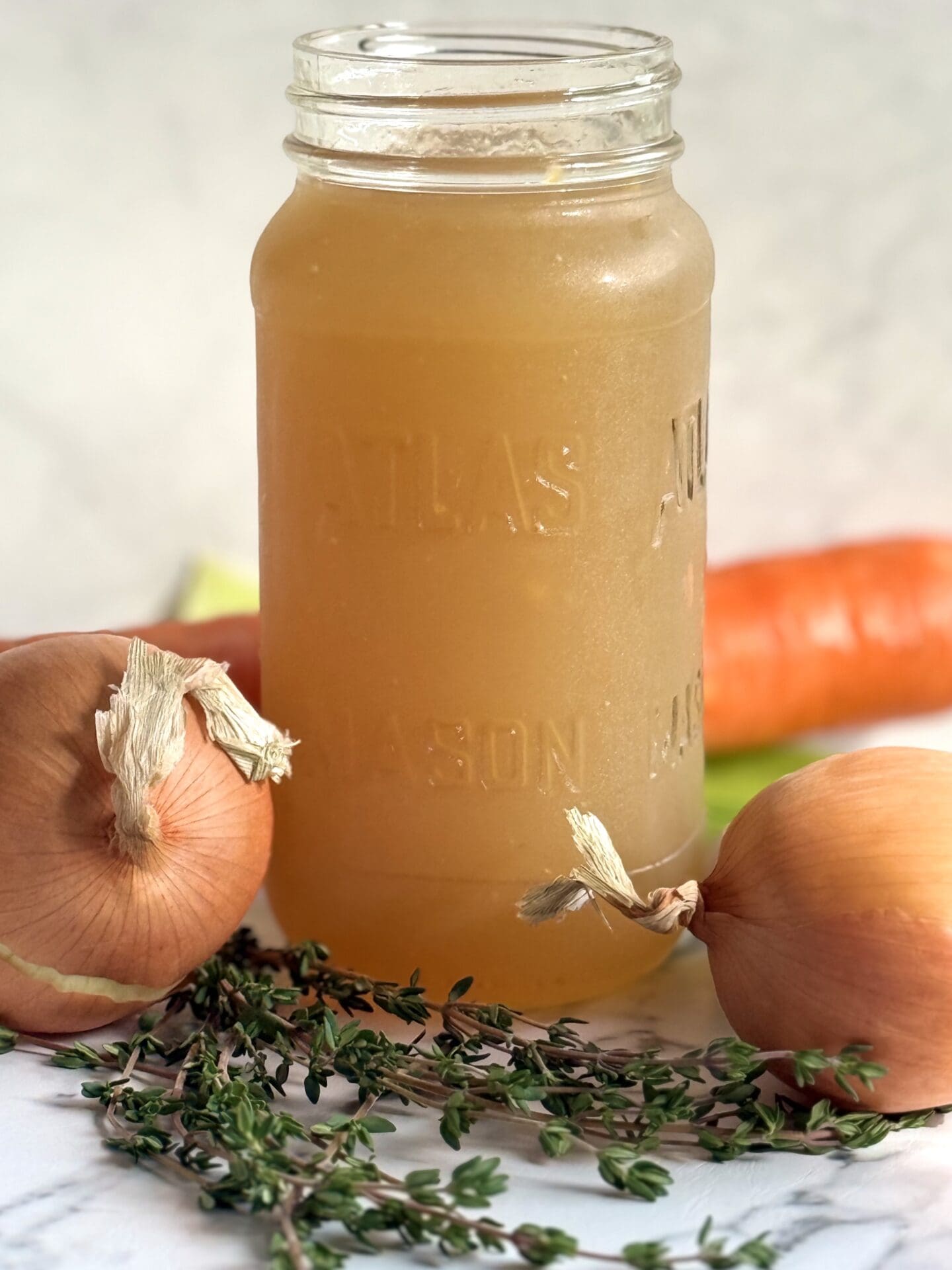
While store-bought versions are convenient, nothing compares to the depth of flavour and nourishing quality of stock made from scratch. Homemade chicken stock is one of the simplest, most economical kitchen staples you can master. With just a handful of basic ingredients - chicken bones, vegetables, herbs and water - you can create a golden, flavourful base that transforms soups, stews, sauces, risottos and even weeknight grains into something truly special. It’s also a wonderful way of reducing food waste by using leftover bones from roast chicken.
Whether you’re looking to elevate your cooking, stretch your grocery budget, or simply embrace a more wholesome approach to meals, learning how to make your own homemade chicken stock is a skill worth having. In this guide, we’ll walk through the easy steps to creating rich, homemade chicken stock that will quickly become a staple in your kitchen.
What’s The Difference Between Chicken Stock and Chicken Broth?
Wondering about the differences between chicken stock and chicken broth? And is bone broth the same thing as stock? These three kitchen stables are often used interchangeably, but they’re not exactly the same. Understanding how they differ can help you chose the right one for your recipe - and decide which to make at home.
Chicken Broth: Typically made by simmering chicken meat (sometimes with a small amount of bones), vegetables and seasonings for a shorter period of time, chicken broth is light and thin. It can be nice for sipping, or as a base for a light soup. Most cartons at the grocery store are in fact chicken broth, and will deliver mild flavour and a thin consistency to your recipe.
Chicken Stock: That’s what we’re making here. Chicken stock is made primarily from chicken bones, with some meat attached, plus vegetables like onion, celery and carrot. It’s simmered longer than broth, and delivers a richer, deeper flavour. With a high gelatine and collagen content, it has a fuller body and thicker texture.
Bone Broth: Bone broth is technically a type of stock - but it’s simmered much longer, sometimes as long as 24 hours. The bones might be roasted first for a deeper flavour. Because of the longer simmering time, the collagen concentration is usually higher than in stock.
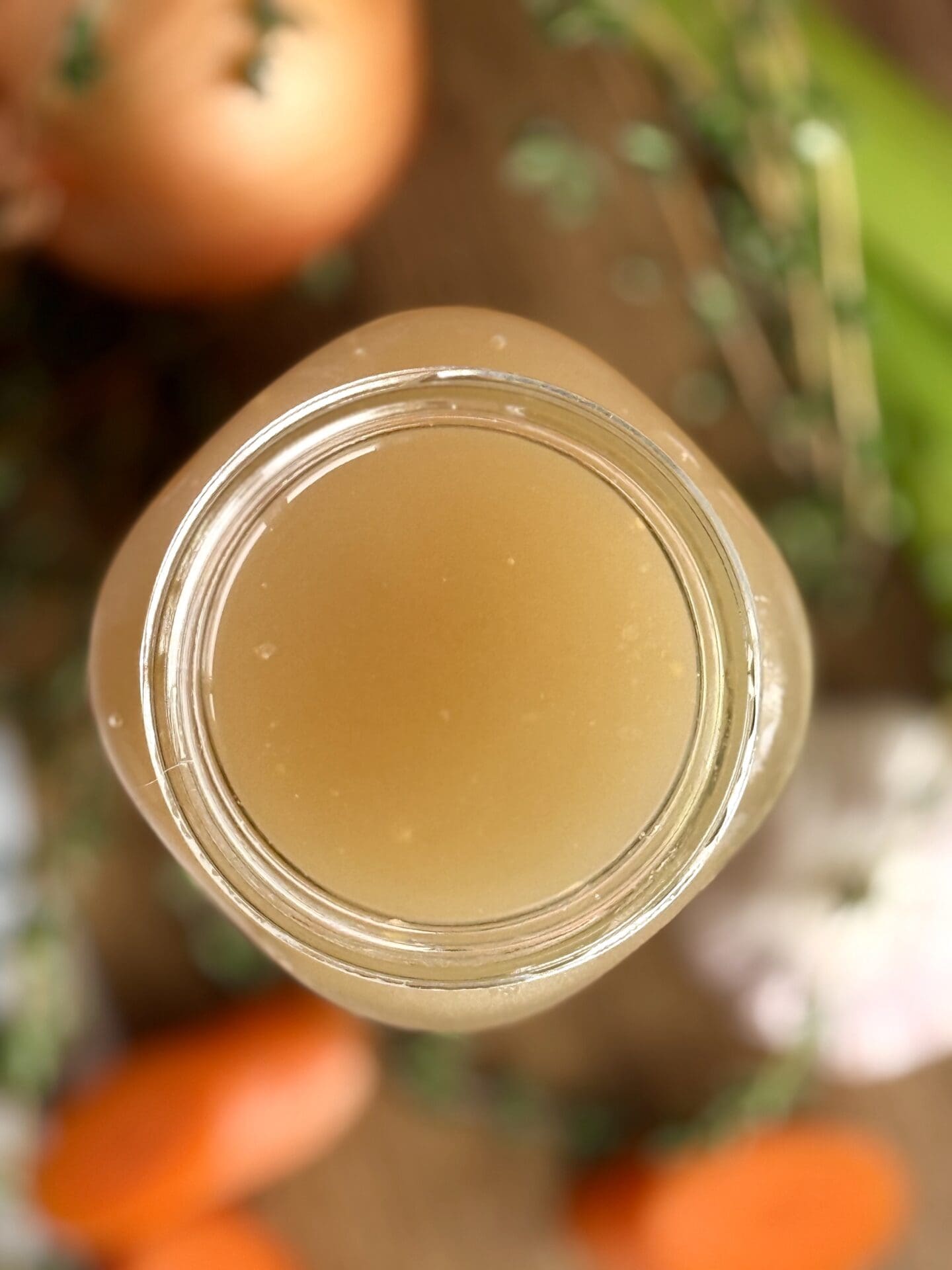
A Case For Making Homemade Chicken Stock
If you’ve ever wondered whether making your own chicken stock is worth the effort, the answer is a resounding yes. With an abundance of commercially made chicken stocks available at every grocery store, it can be hard to see why you’d go to the trouble of making your own. Homemade chicken stock isn’t just a traditional kitchen staple - it’s a flavour powerhouse, a budget-friendly solution, and a healthier alternative to store-bought broth. If you’re searching for reasons to make homemade chicken stock, here’s why it deserves a regular spot in your cooking routine.
- Richer, Deeper Flavour Than Store-Bought Broth: One of the biggest reasons to make homemade chicken stock is the unmatched flavour. Slowly simmering chicken bones with vegetables and herbs extracts layers of savoury depth that boxed broth just can replicate. Homemade stock has a fuller body, natural gelatine for a silky texture and can be customized with your own choice of seasonings. The result? Better soups, stews, sauces, gravies and risottos every single time.
- Healthier and More Nutritious: When you make stock from scratch, you control every ingredient. That means no artificial flavours, no preservatives, no excess sodium, no additives. If you’re looking for a healthy homemade chicken stock recipe, making it yourself ensures the highest nutritional value.
- Budget Friendly and Reduces Food Waste: Homemade chicken stock is one of the most economical staples you can make. Instead of throwing away leftover chicken bones, straggling vegetables or extra fresh herbs, you turn them into something valuable. This makes it a cost-effective, sustainable, zero-waste cooking habit. If you’re trying to save money on groceries, learning how to make chicken stock at home is a practical step.
- Easy to Make (Mostly Hands-Off!): Making homemade chicken stock is simple. After a bit of prep, the pot does most of the work. The process is beginner-friendly and forgiving.
What Goes In Chicken Stock?
Homemade chicken stock requires just a handful of simple, affordable items. The magic comes from slow simmering - not complicated ingredients.
- Chicken Carcasses: This is the bones, cartilage and skin that are left after the meat has been removed from a cooked chicken. The carcasses are the most important ingredient in chicken stock. To make a flavourful, rich stock, I use the carcasses from two roast chickens. If you only have one on hand, freeze it in a resealable bag until you have a second chicken carcass. Hot tip: You can use the bones and trimmings from quality store-bought rotisserie chickens. Buy two rotisserie chickens, remove the meat for use in another recipe, then make stock from the bones.
Just a few ideas for what to do with the cooked meat of a roasted chicken….





…back to the short list of ingredients in Chicken Stock!
- Aromatic Vegetables: The classic trio of onion, celery and carrot (called Mirepoix in French cooking) add flavour, natural sweetness and balance to the stock. A whole head of garlic adds nutrients and rich taste. The recipe calls for unpeeled yellow onions, and this is a simple kitchen trick to enhance the colour of the homemade stock. The natural pigments in yellow onion skins dissolve into the liquid as it simmers, creating a deeper, golden hue.
- Apple Cider Vinegar: The vinegar in this recipe isn’t for flavour. The addition of a small amount of apple cider vinegar is all about chemistry. You won’t taste the vinegar in the finished stock, but it will help to break down the connective tissue and bones, drawing out more minerals and releasing more collagen. To make the vinegar even more effective, place just the carcasses in the pot and cover with water. Add the vinegar to the water and let sit for 20 minutes before adding the other ingredients and heating. If you don’t have apple cider vinegar, white wine vinegar is a good substitute. You can also leave the vinegar out all together, if you prefer.
- Fresh Herbs: Parsley and thyme add savoury flavour.
- Spices: Whole black peppercorns are a traditional ingredient that add a mild heat and subtle earthiness. Whole cloves are not a traditional ingredient, however. Adding a subtle warmth and gentle savoury spice, cloves help develop a balanced and well rounded stock. Don’t worry - they won’t make your stock taste like a spice cake. In fact, you probably won’t be able to detect the specific taste of cloves at all. You’ll just develop a warm, complex and rich stock that tastes delicious served alone as a warm drink, or as the base for your other recipes. The addition of cloves to this recipe is optional, so feel free to omit if you prefer.
- Salt: Chicken stock made without salt tastes downright bland, but store-bought chicken stocks are often too high in salt. Making your own means you can control the salt. Start with the recommended amount, then add more to taste if needed. I use Diamond Crystal Kosher Salt in my recipes because it has a clean taste and is lower in sodium per volume than other brands such as Windsor and Morton’s.
- Cold Water: Water is what extracts flavour from the bones and vegetables. Always start with cold water, which helps slowly draw out collagen and nutrients by simmering.
- Add-ins: Chicken stock is endlessly customizable. Extra vegetables that you have on hand can be added to the stock for different, but equally delicious results. Consider adding mushroom stems, parsnips or leeks, but avoid starchy vegetables such as potatoes, as they will break down during simmering and make a murky stock. Also avoid veggies such as broccoli, cabbage and brussel sprouts as they can impart a bitter taste. Beets can add a sweetness, but will also add colour your stock, which can be nice for sipping, but may look strange in recipes.

Best Type Of Pot For Chicken Stock
When making chicken stock, the best choice is a large, heavy-bottomed pot that holds plenty of liquid and distributes heat evenly. One of the best tips for making chicken stock is to use a large pasta pot with a built-in straining insert as your stock pot. Straining finished stock can be a messy job. Instead of carefully pouring the stock through a colander into another bowl, you can simply lift out the pasta insert and let the stock naturally drain back into the pot. This method not only uses fewer dishes but also reduces greasy splashes and spills. If you don’t have a large pasta pot with a straining insert, and you’d like to add one to your collection, look for a pot with a heavy bottom, deep insert and capacity of at least 7L (7.5qt).
 SERVING SUGGESTIONS
 SERVING SUGGESTIONS
Homemade Chicken Stock is liquid gold - rich, savoury and full of flavour, and ready to enhance a wide array of dishes. The most obvious use is as a base for soup. Try it in Classic Chicken Noodle Soup or in Roasted Tomato and Feta Soup. Chicken stocks adds extra flavour to rice and other grains. Try cooking the quinoa in chicken stock before using it in Fresh Herb and Cherry Tomato Quinoa Salad. Use your homemade stock in sauces and gravies, and to flavour and creaminess to mashed potatoes. Paella, Jambalaya and Chicken Pot Pie all taste better with homemade stock. You can also just drink it. It’s comforting, hydrating and protein-rich making it the perfect warm drink for chilly afternoons.

Classic Golden Chicken Stock

Ingredients
- About 1 kg/2.2lbs of chicken carcasses (about 2 roast chickens, meat removed so only bones and skin remain ) *see note 1
- 2 yellow onions, unpeeled, root end trimmed and cut in quarters *see note 2
- 2 celery stalks, cut in pieces
- 1 carrot, scrubbed clean, stem end trimmed, and cut in pieces
- 1 head garlic, root end trimmed to expose cloves
- 1 Tbsp apple cider vinegar *see note 3
- a small bunch of fresh parsley (about 5-7 sprigs)
- a small bunch of fresh thyme (about 8-10 sprigs)
- 1 tsp whole black peppercorns
- 2-4 whole cloves (optional)
- 1 Tbsp kosher salt (or to taste)
Instructions
- Combine all ingredients in a large stock pot, or large pasta pot with a straining insert. Cover with 12 cups of cold water and bring to a boil over medium-high heat. Reduce heat to low and simmer gently, partially covered, until reduced by 1/3, about 3 hours.
- Strain the stock by carefully pouring it through a colander into a large bowl, or strain by lifting out the insert if you used a pasta pot. Discard the solids. Allow to cool, then chill the broth overnight. Chilling will cause the fat to rise to the surface and solidify. Scrape the hardened fat off the surface and discard. Adjust salt to taste. Use immediately, or store in jars in the fridge for up to 5 days. Chicken stock can also be frozen in airtight, freezer-safe containers for up to 3 months.
